
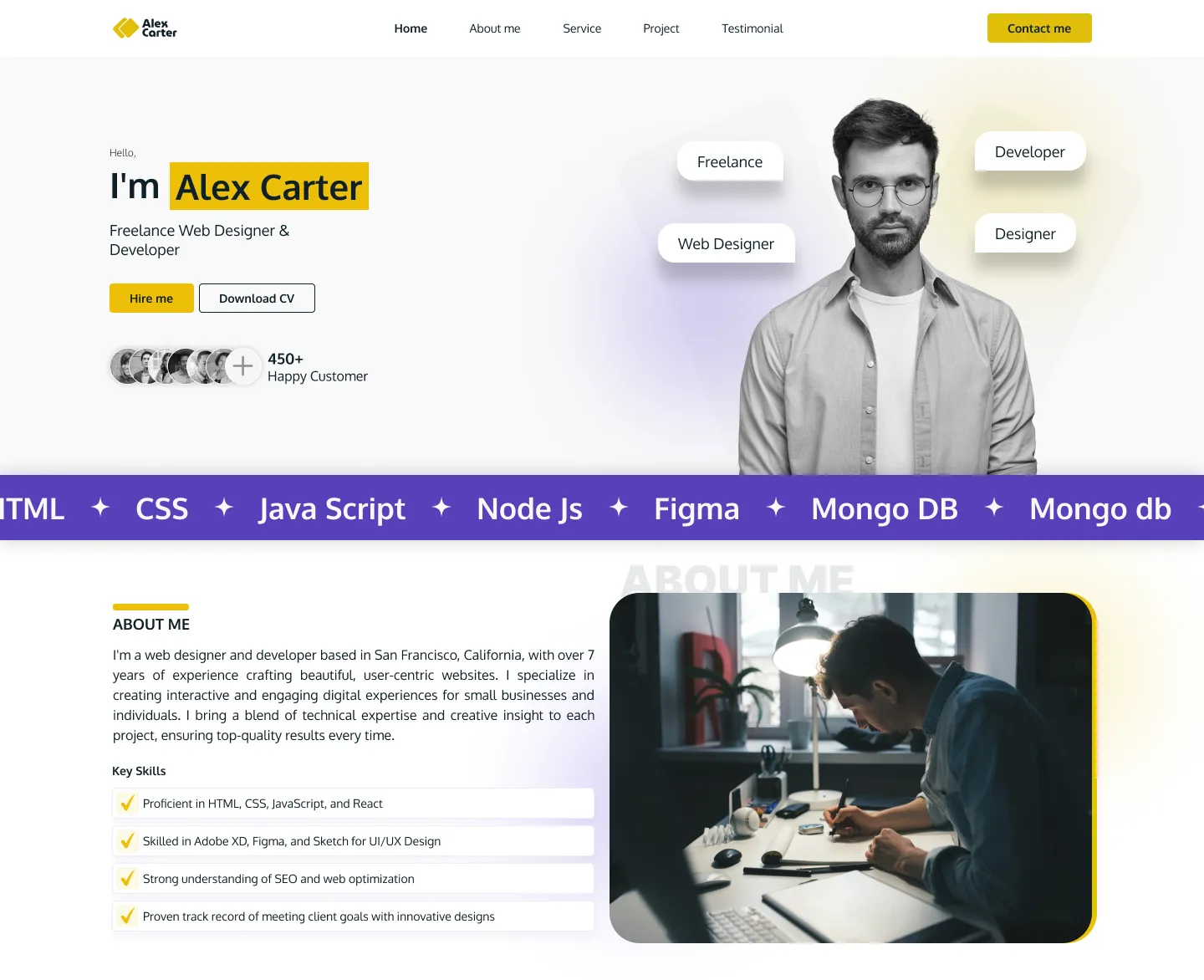
A freelance web designer portfolio is a personal website that shows your skills, projects, and experience in one place. It works as your online proof of work. Clients search Google before hiring designers. If your portfolio does not appear or does not look professional, you lose opportunities.
This topic matters because competition is high. Clients want clarity, trust, and quick decisions. A well-structured freelance web designer portfolio helps you stand out without explaining yourself repeatedly.
This guide is written for beginners, freelancers, UI designers, and web designers who want a clean, SEO-friendly portfolio website that converts visitors into clients.
A freelance web designer portfolio is a website that presents your design and development work professionally. It is not a resume. It is a business tool.
A strong freelance web designer portfolio usually includes:
Clear introduction
Services offered
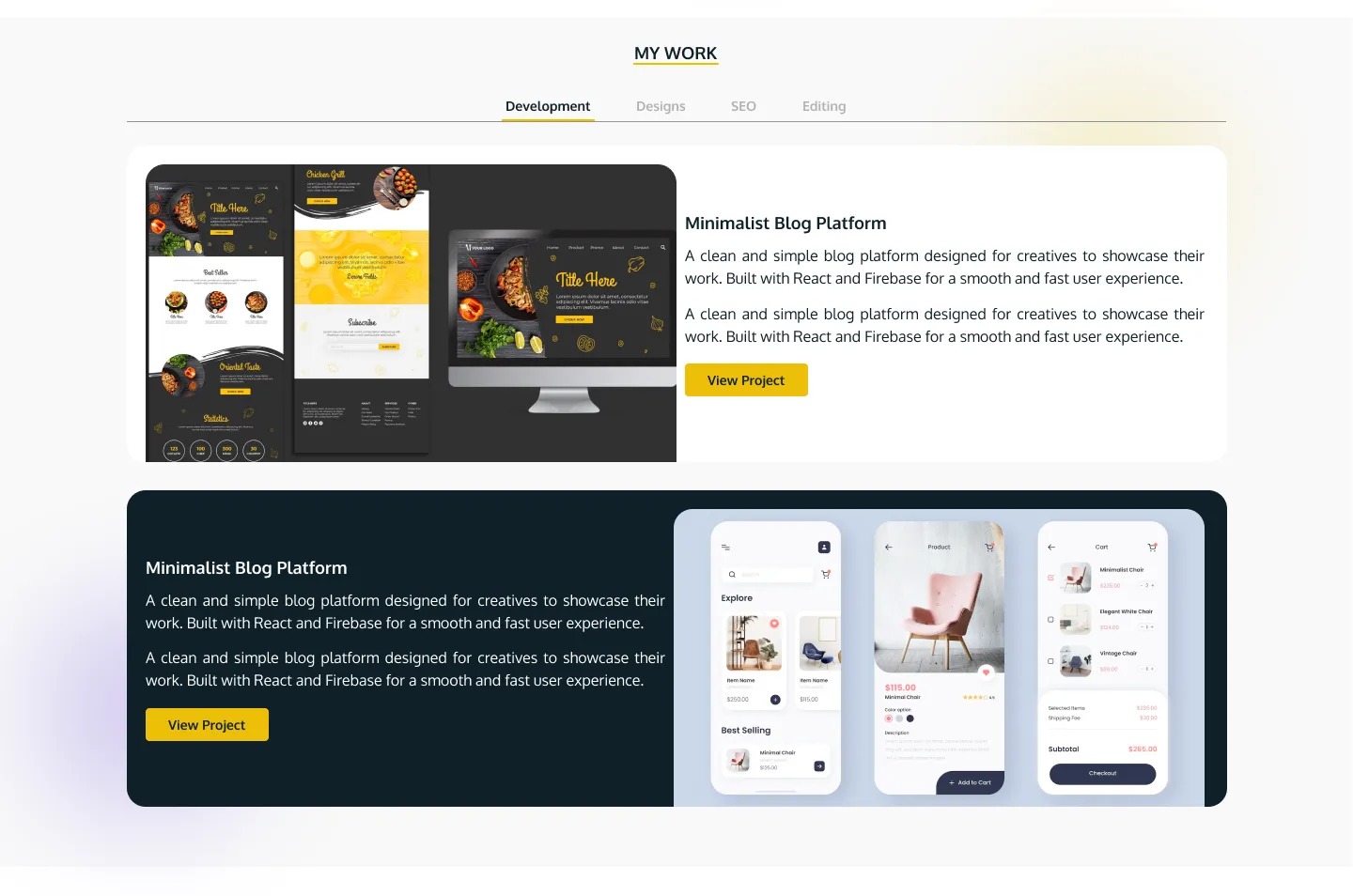
Project samples
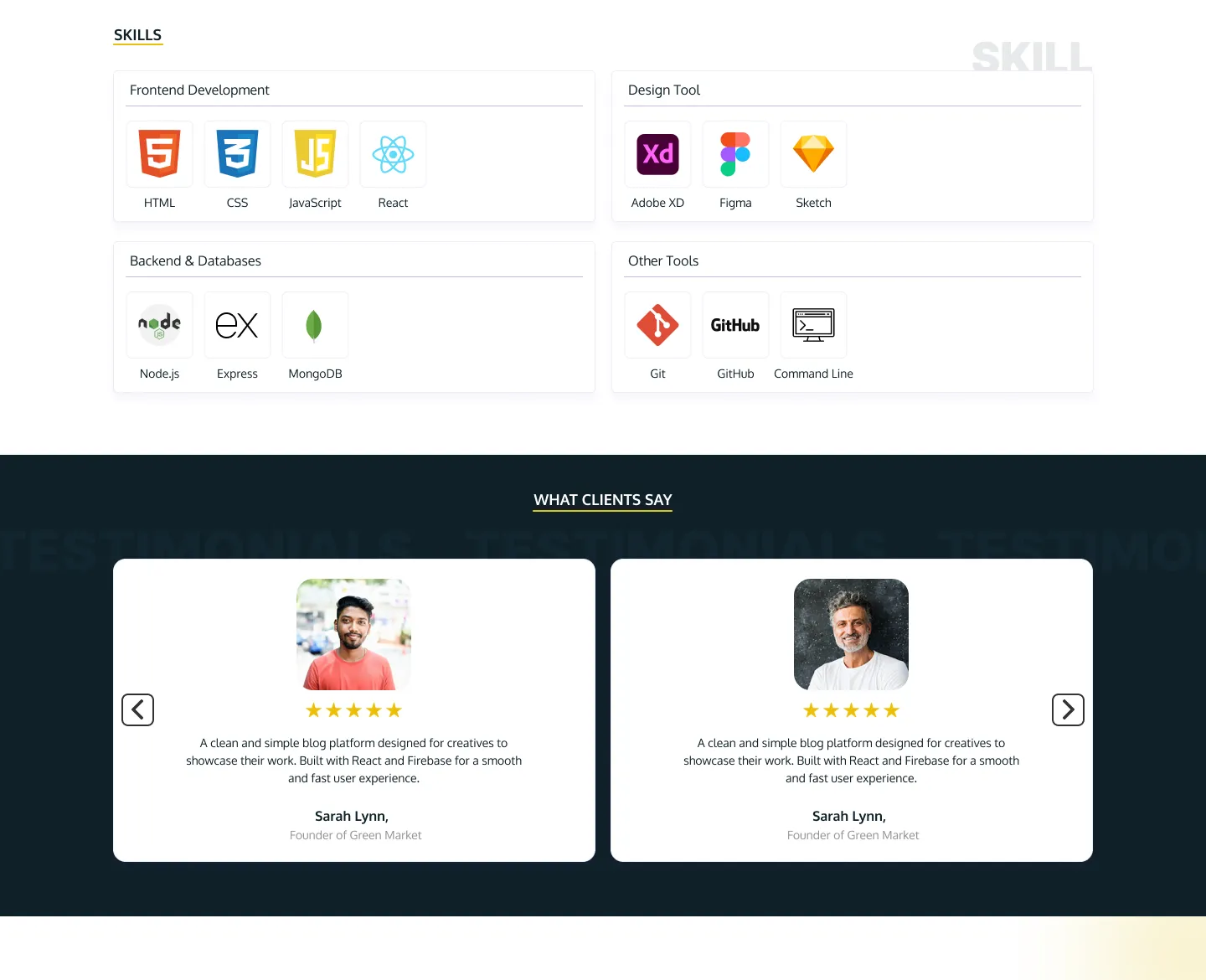
Skills and tools
Client feedback
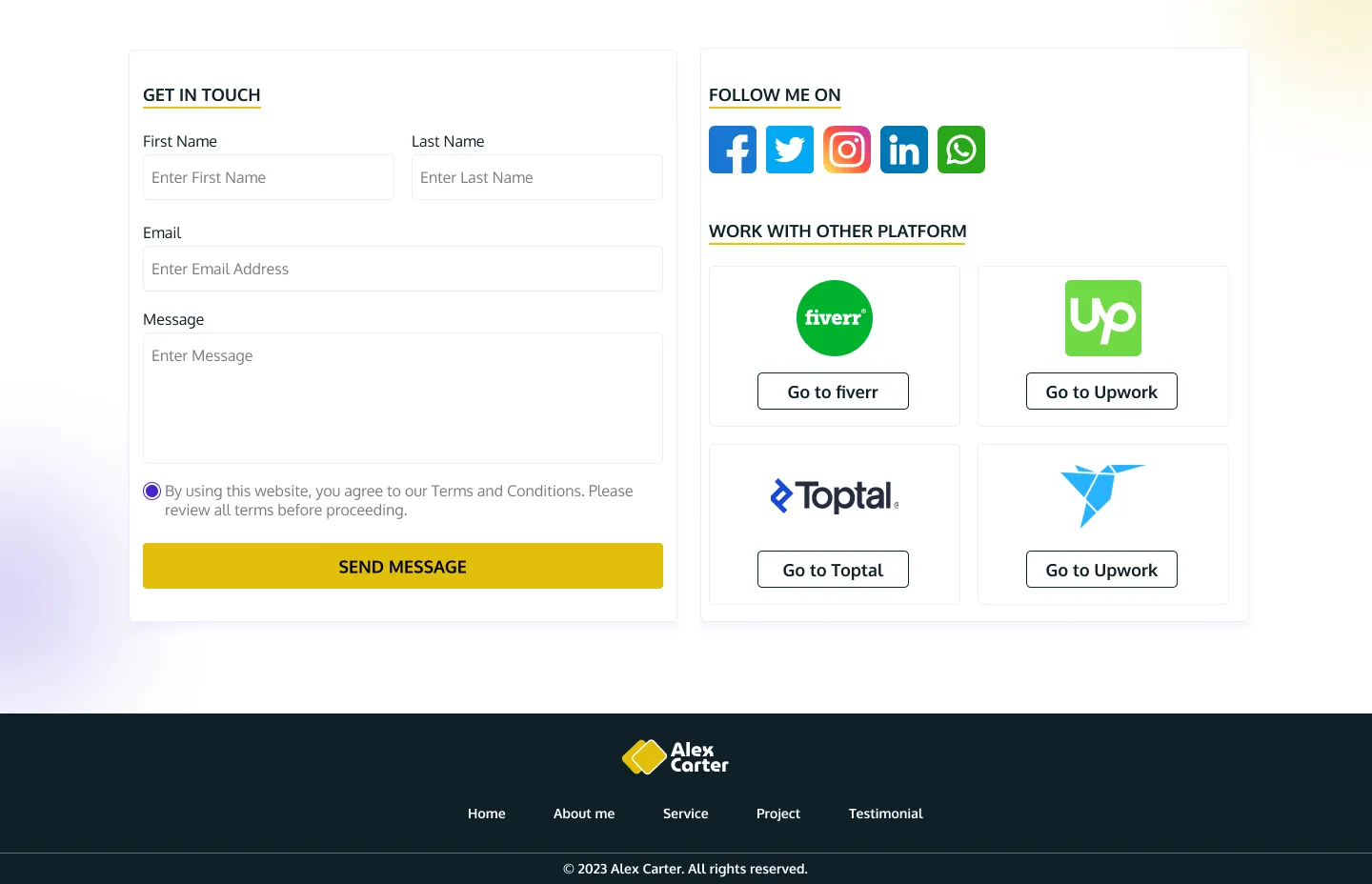
Contact details
Search engines treat portfolio websites like any other content. Proper structure helps Google understand who you are and what you do.
A freelance web designer portfolio builds instant credibility. Clients trust visuals more than words.
Key reasons it matters:
Clients judge skills in seconds
Google indexing brings organic leads
Reduces dependency on platforms
Works 24/7 as a sales page
Without a portfolio, you rely only on messages and explanations. A portfolio shows proof instead of promises.
A well-built freelance web designer portfolio provides clear advantages:
Improves Google visibility
Builds professional trust
Attracts higher-paying clients
Shows real-world skills
Saves time in client discussions
Supports personal branding
It also allows you to control how your work is presented, unlike third-party platforms.
Use one line that explains who you are and what you do. Avoid long sentences.
Example structure:
Name
Role
Primary service
Call to action
Explain your experience in simple terms. Focus on results, not history.
Include:
Years of experience
Type of clients
Skills summary
List only services you actually provide.
Examples:
Web design
UI UX design
WordPress development
Landing page design
Show selected work only.
Best practice:
3 to 6 projects
Short description
Link to live site or case study
Use icons and short labels.
Group skills:
Frontend
Design tools
Backend
Other tools
Even 2 testimonials increase trust.
If unavailable:
Use platform reviews
Use short client feedback
Make it simple.
Include:
Name
Message
One clear button
Too many projects
Long paragraphs
No focus keyword usage
Missing meta description
No internal links
Heavy animations
Stock-only designs
No call to action
A freelance web designer portfolio should load fast and read easily.
This guide is ideal for:
Freelance web designers
UI UX designers
Graphic designers
WordPress developers
Beginners building first portfolio
Designers switching from platforms
Anyone offering digital services benefits from a strong freelance web designer portfolio.
You do not need complex tools.
Helpful options:
Figma for design
WordPress for publishing
Lightweight themes
SEO plugins
Image optimization tools
Use ready-made templates only if they allow customization and SEO control.
One page is enough if content is structured properly and SEO is applied correctly.
Three to six strong projects are better than many weak ones.
Yes. A freelance web designer portfolio can rank with proper keywords, structure, and internal linking.
A freelance web designer portfolio is not optional. It is your digital identity. When designed with clarity, SEO structure, and real content, it attracts the right clients automatically.
Focus on simple language, clean layout, and consistent keyword usage. Update it regularly with better projects. Treat your portfolio as a living asset, not a one-time task.